How Environmental Regulations Impact Oil Tank Services
The increasing significance of environmental regulations is reshaping various industries, with the oil tank services sector being particularly affected. As the world becomes more environmentally conscious, regulatory frameworks aimed at minimizing environmental impacts have become stringent and widespread. This article will explore how such regulations impact the oil tank services industry, examining both the challenges they pose and the potential benefits they offer. Understanding these implications can provide crucial insights for stakeholders aiming to navigate this highly regulated landscape.
1. What Are the Current Environmental Regulations Affecting Oil Tank Services?
1.1 Overview of Key Regulations
A multitude of regulations governs the oil tank services industry, primarily focusing on environmental protection and public safety. Among these, the Resource Conservation and Recovery Act (RCRA) plays a crucial role in overseeing the management of hazardous wastes from oil tanks. Additionally, the Clean Water Act imposes strict limits on the discharge of pollutants into waters, influencing procedures and technologies used in oil tank services. These regulations are enforced at both federal and state levels, each with its unique set of compliance parameters.
The regulatory landscape of oil tank services presents a complex web of requirements that service providers must navigate to remain compliant. The Oil Pollution Act, for instance, mandates comprehensive spill response planning and implementation to mitigate environmental damage. Meanwhile, individual states often implement additional rules exceeding federal requirements, tailored to specific environmental and geographical contexts. This intricate regulatory framework aims to mitigate the potential negative impacts associated with the management and maintenance of oil tanks, while also enhancing environmental safeguards.
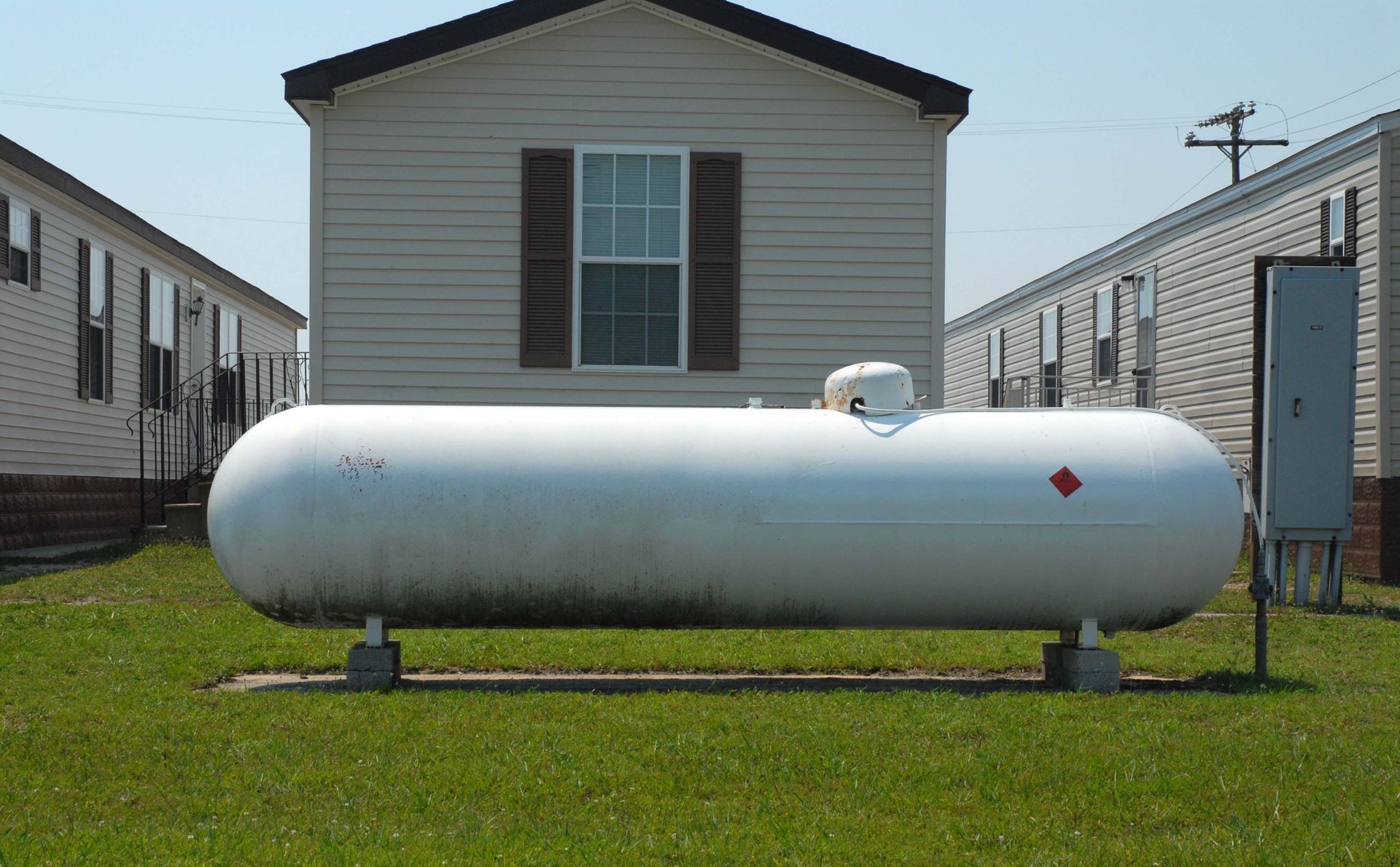
Despite the extensive legal framework, ensuring effective compliance remains a significant challenge for many in the oil tank services industry. With over 541,000 underground storage tanks (USTs) across the U.S., according to the U.S. Environmental Protection Agency (EPA), enforcing these regulations is a considerable undertaking. Continuous updates and changes in regulatory standards require constant vigilance and adaptation from industry players. Moreover, the financial and operational demands of regulatory compliance can be burdensome, affecting the overall efficiency of service delivery.
1.2 Compliance Requirements
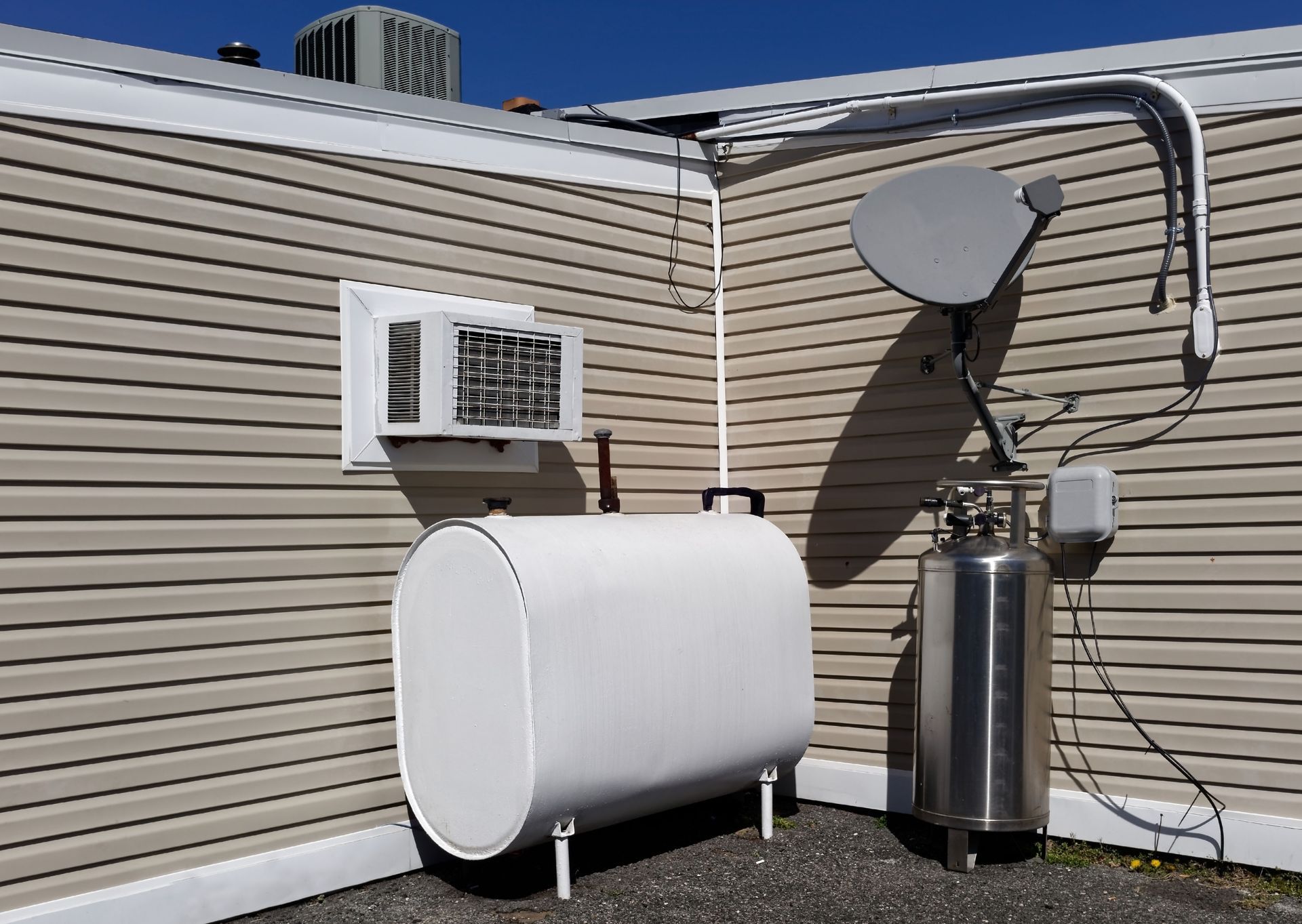
Compliance with environmental regulations in oil tank services involves a multitude of requirements designed to minimize risks and protect the environment. Service providers must ensure that their storage tanks meet specific design and operational standards, preventing leaks and accidental discharges. Regular inspection, monitoring, and maintenance are mandated to ensure that tanks are functioning correctly and to detect any signs of deterioration or failure. Adherence to set guidelines and specifications is crucial for avoiding potential legal and financial liabilities.
Documentation and record-keeping are also integral components of compliance in oil tank services. Service providers must maintain detailed records of inspections, maintenance activities, and any incidents of leaks or spills. This documentation serves as evidence of compliance with regulatory mandates and can be critical during audits or when investigating incidents. Moreover, ongoing training for staff involved in oil tank services is essential to keep them abreast of the latest regulatory requirements and best practices, ensuring that compliance is comprehensive and effective.
The various compliance requirements present numerous challenges for oil tank service providers, from financial strains to operational complexities. Implementing advanced technologies and upgrading infrastructure to meet regulatory standards can be costly and time-intensive. Furthermore, the need for frequent training and system audits imposes additional resource demands on companies. However, these investments are necessary to maintain compliance, as violations can result in significant penalties and damage to a company's reputation.
2. How Do These Regulations Affect the Cost of Oil Tank Services?
2.1 Direct Impact on Service Costs
The financial repercussions of environmental regulations on oil tank services manifest prominently in the direct costs associated with compliance. These include expenses related to upgrading infrastructure, implementing advanced technology, and conducting regular inspections and maintenance. Compliance often requires specialized equipment and processes to prevent leaks and spills, contributing significantly to operational costs. Such investments, while initially burdening, are necessary to maintain service delivery while adhering to environmental standards.
Beyond the immediate financial outlays, the demand for highly skilled labor to oversee and execute compliance measures elevates labor costs within the industry. Skilled technicians and managers command higher salaries, driven by the specialized nature of regulatory knowledge required. Additionally, extensive training programs to keep staff updated with current regulations further inflate personnel-related expenses. The culmination of these costs directly impacts the pricing structure of oil tank services, often resulting in increased prices for end consumers.
2.2 Indirect Cost Implications
Environmental regulations also impose significant indirect costs on the oil tank services industry, stemming from the broader strategic adjustments required for compliance. One of the most substantial indirect cost factors is the need for research and development to foster innovative solutions that meet regulatory demands. Companies are pushed to invest in new technologies and processes that enhance their environmental efficiency, driving up research and development expenditures. These investments, while crucial for long-term sustainability, contribute to the industry's overall cost structure.
Operational disruptions resulting from regulatory compliance requirements also bear indirect financial implications. Frequent inspections and maintenance activities can interrupt routine operations, leading to lost productivity and revenue. The operational downtime associated with retrofitting or upgrading infrastructure to meet compliance can significantly impact service delivery timelines and customer satisfaction. These disruptions necessitate efficient logistical planning and resource allocation to minimize their financial impact on the company's bottom line.
3. What Are the Environmental Benefits of Regulations on Oil Tank Services?
3.1 Reduction in Environmental Hazards
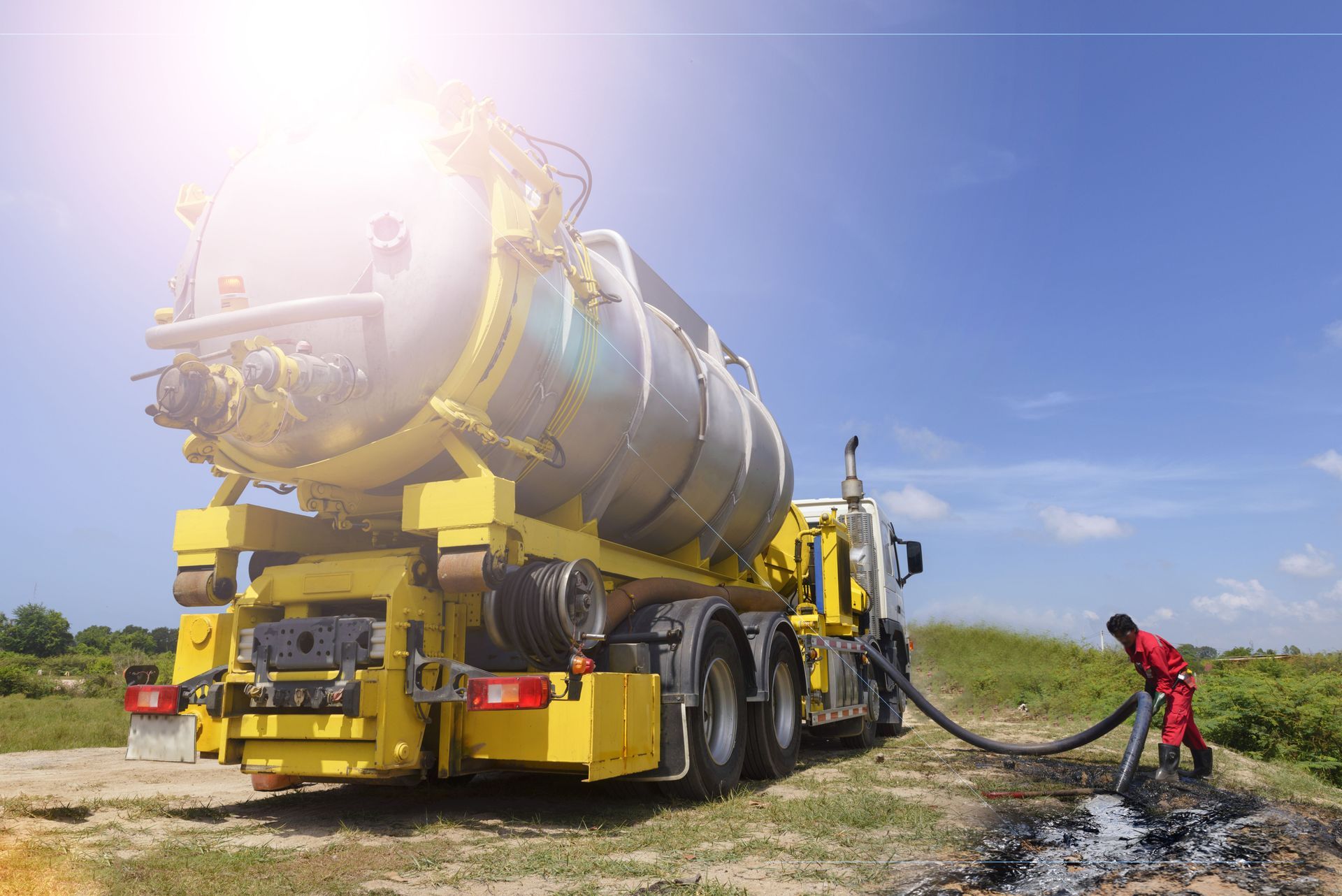
Environmental regulations have significantly contributed to reducing the hazards associated with oil tank services, notably by decreasing pollution and spill incidents. The stringent standards imposed on tank design and maintenance ensure that tanks are leak-proof and equipped with state-of-the-art spill prevention systems. Regulations such as the Clean Water Act mandate rigorous controls to prevent oil contamination of water resources, effectively curbing environmental damage. These measures collectively enhance ecosystem protection, preserving biodiversity and maintaining ecosystem services crucial for environmental and human health.
Furthermore, regulations compel service providers to adopt practices that minimize environmental disturbances, such as noise and air pollution. Initiatives to reduce emissions from oil tank operations, including the implementation of closed-loop systems and eco-friendly technologies, significantly lower carbon footprints. This aligns with broader environmental goals aimed at mitigating climate change impacts, contributing to global efforts to curb greenhouse gas emissions. As a result, oil tank services are steering towards more sustainable operations, further driven by regulatory enforcement and environmental advocacy.
3.2 Improved Safety Standards
In addition to environmental benefits, regulations have paved the way for substantial improvements in safety standards within oil tank services. Compliance with rigorous safety protocols ensures that operations adhere to best practices, significantly reducing occupational and environmental risks. Regulatory bodies mandate comprehensive safety training programs for personnel, enhancing their ability to manage potential hazards and align with global safety standards. This emphasis on education and training is vital to maintaining a knowledgeable workforce capable of upholding high safety standards.
Furthermore, regulations dictate stringent maintenance and inspection routines, enhancing the structural integrity and operational safety of oil storage systems. By ensuring that tanks are regularly assessed for wear and potential failure, regulations prevent accidents that might endanger human lives and the environment. Technologies such as enhanced leak detection systems and automated safety checks have been widely adopted as a result, offering reliable means of safeguarding tank operations. This technological enhancement reflects a proactive approach to mitigating risks and maintaining safe and secure oil tank services.
In conclusion, environmental regulations significantly impact the oil tank services industry, shaping operational practices and influencing financial strategies. The industry's response to these regulations underscores a commitment to environmental stewardship and the adoption of innovative compliance solutions. Despite the financial and operational challenges posed by regulatory demands, the long-term benefits—such as reduced environmental hazards, improved safety standards, and enhanced sustainability—demonstrate the positive impact of compliance. As the regulatory landscape continues to evolve, oil tank service providers must remain proactive, investing in technology and sustainable practices to secure a competitive advantage and contribute to a healthier planet. Reach out to Elite Environmental & Tank Testing Services today to see how we can help you!



Share On: