How Long Do Residential Oil Tanks Last?
This article explores the lifespan of residential oil tanks, highlighting various factors that influence their longevity and providing maintenance tips to ensure you get the most out of your heating system. Residential units are an integral component of home heating systems, particularly in regions where natural gas is not readily available. Though built to endure, these units require proactive maintenance. Additionally, considering legal, insurance, and cost implications thoroughly can help prevent unforeseen expenses and liabilities as we delve into the core aspects of extending the life of your heating equipment.
Evaluating Above-Ground Oil Tanks
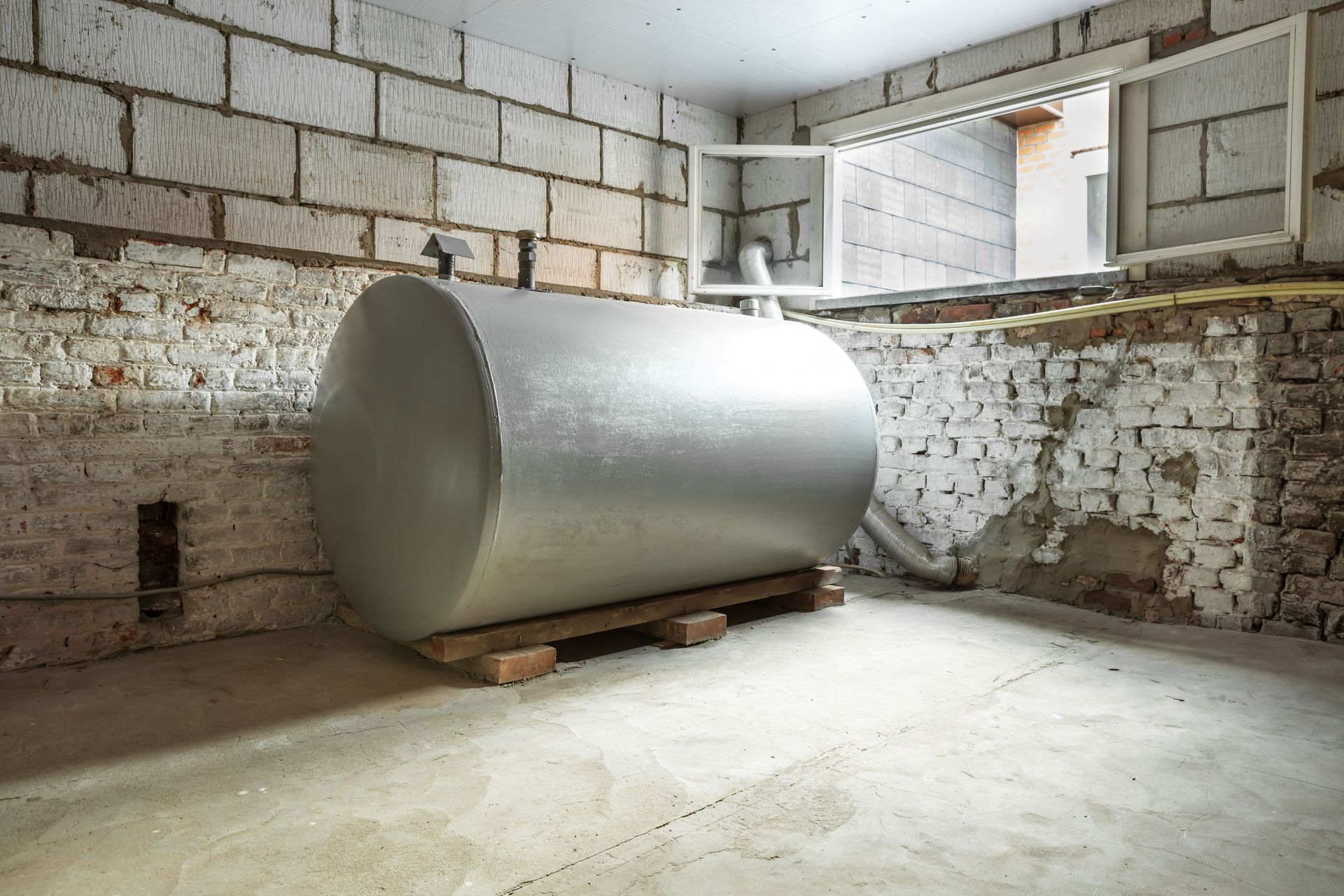
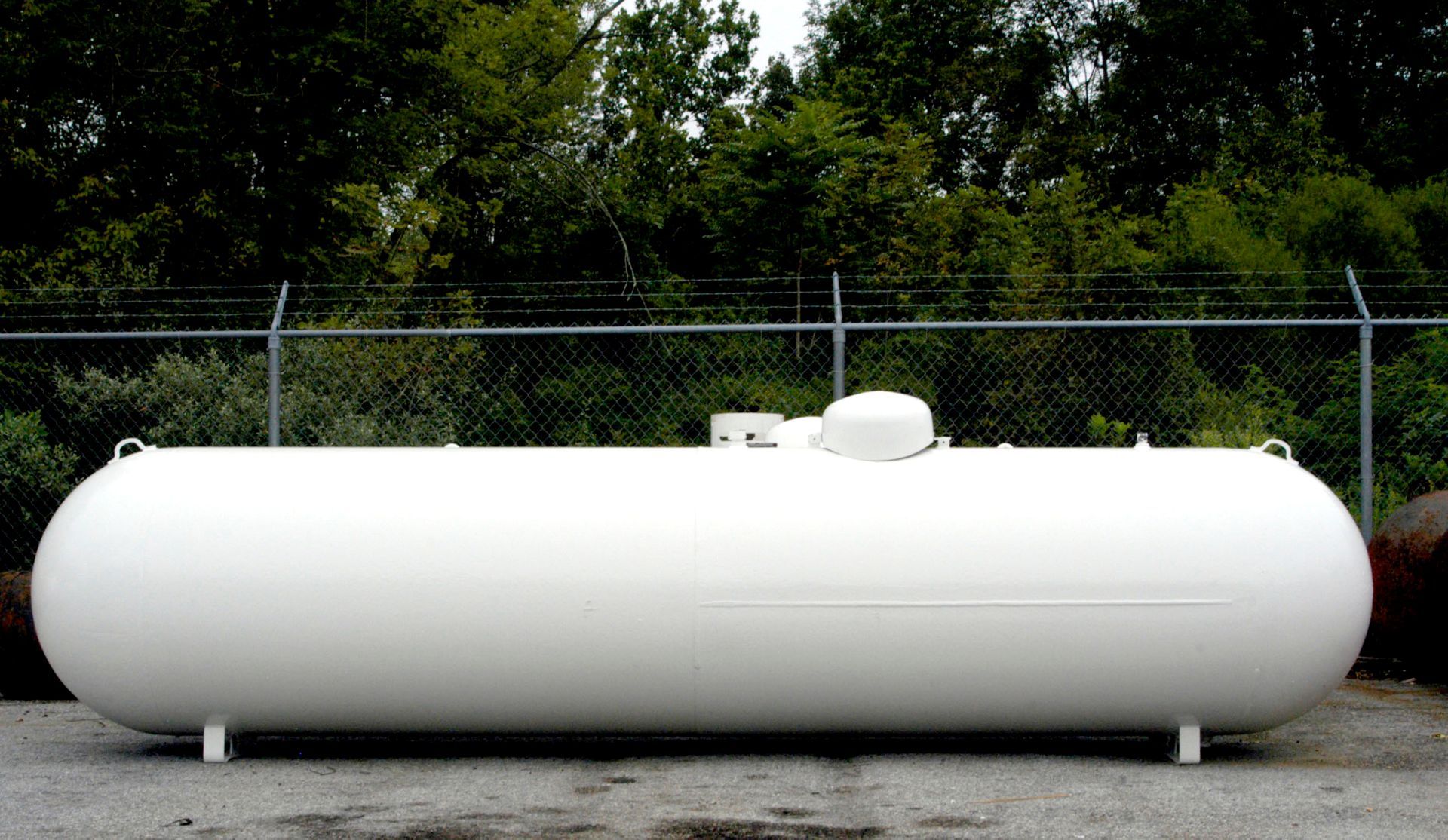
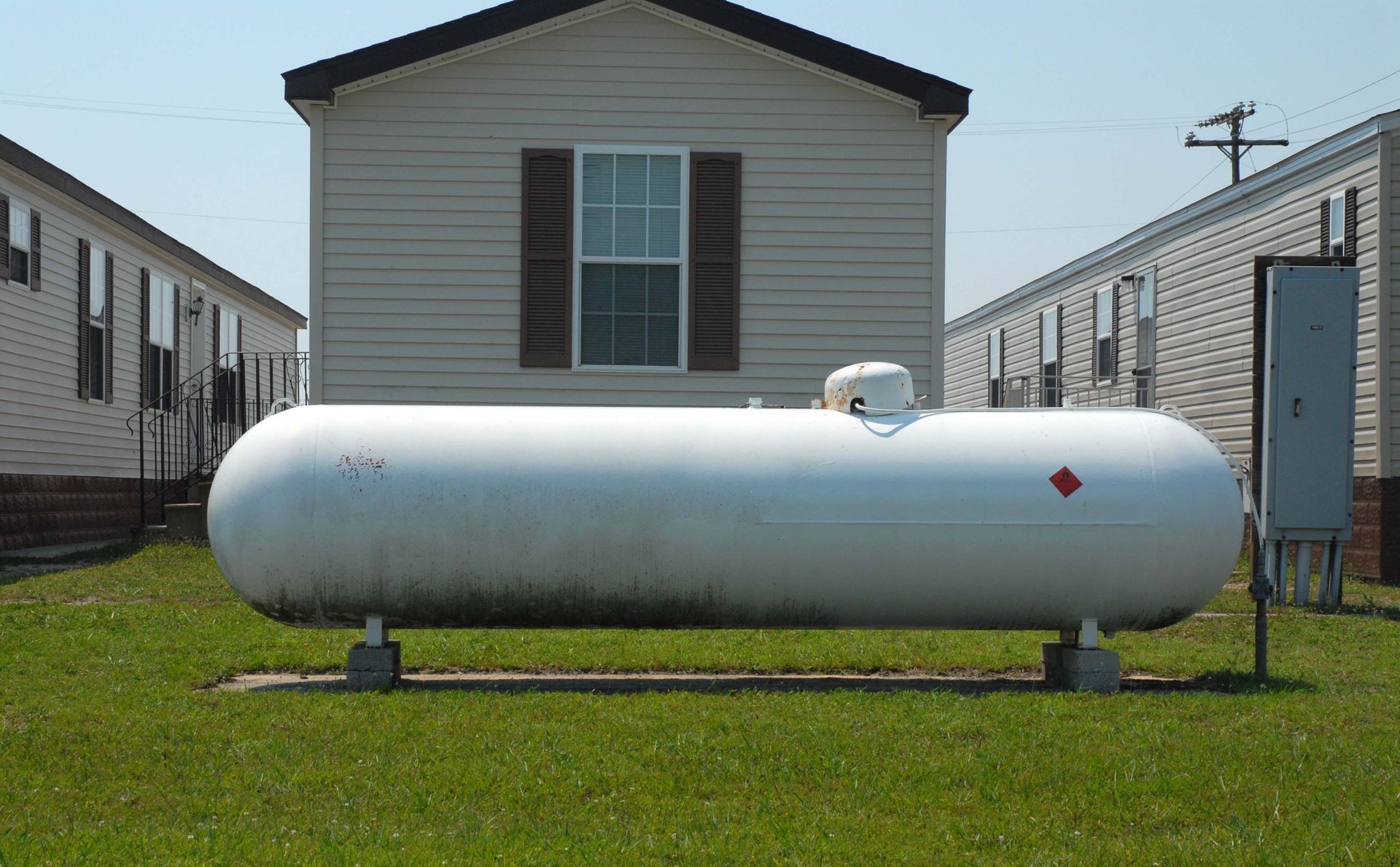
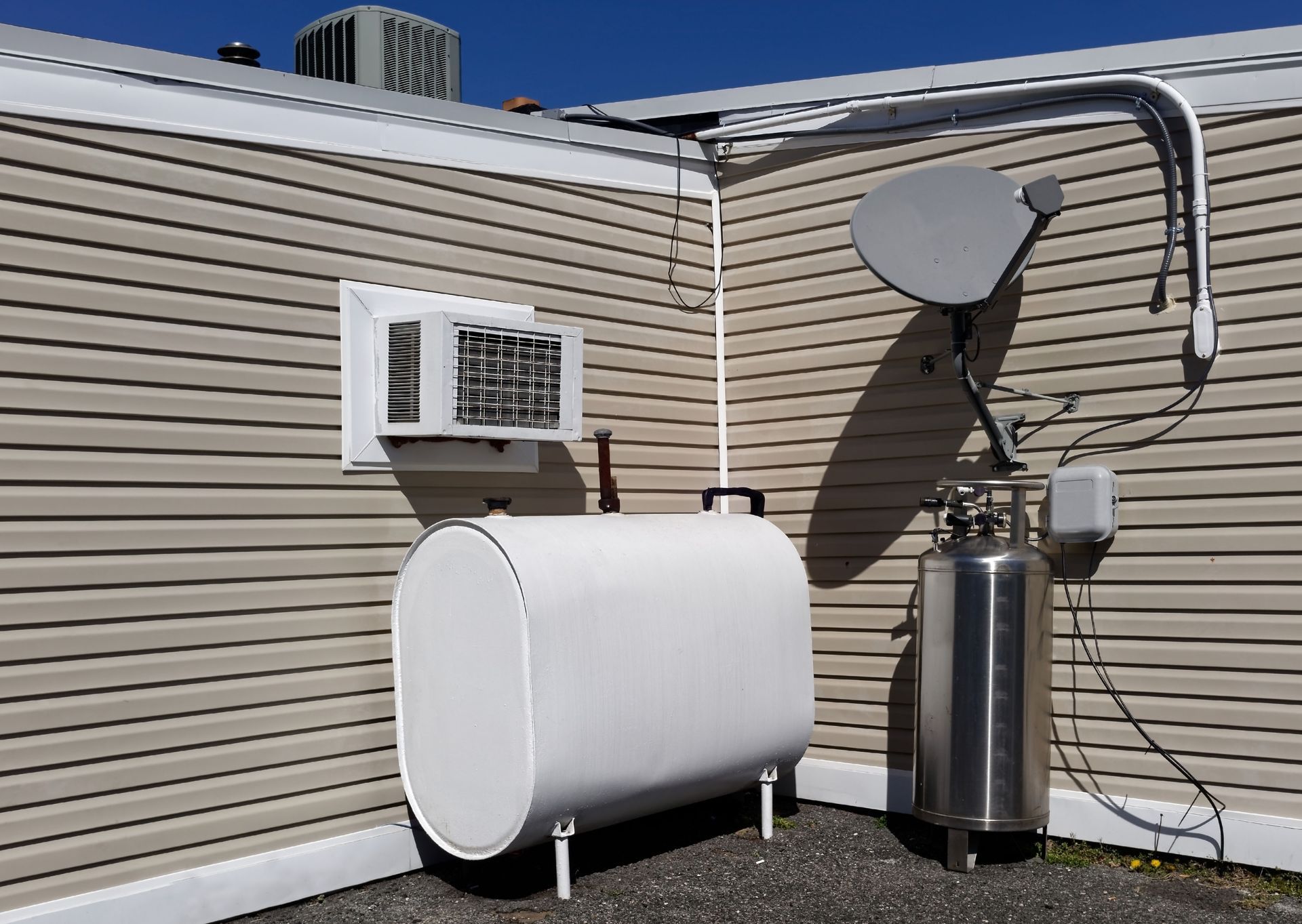
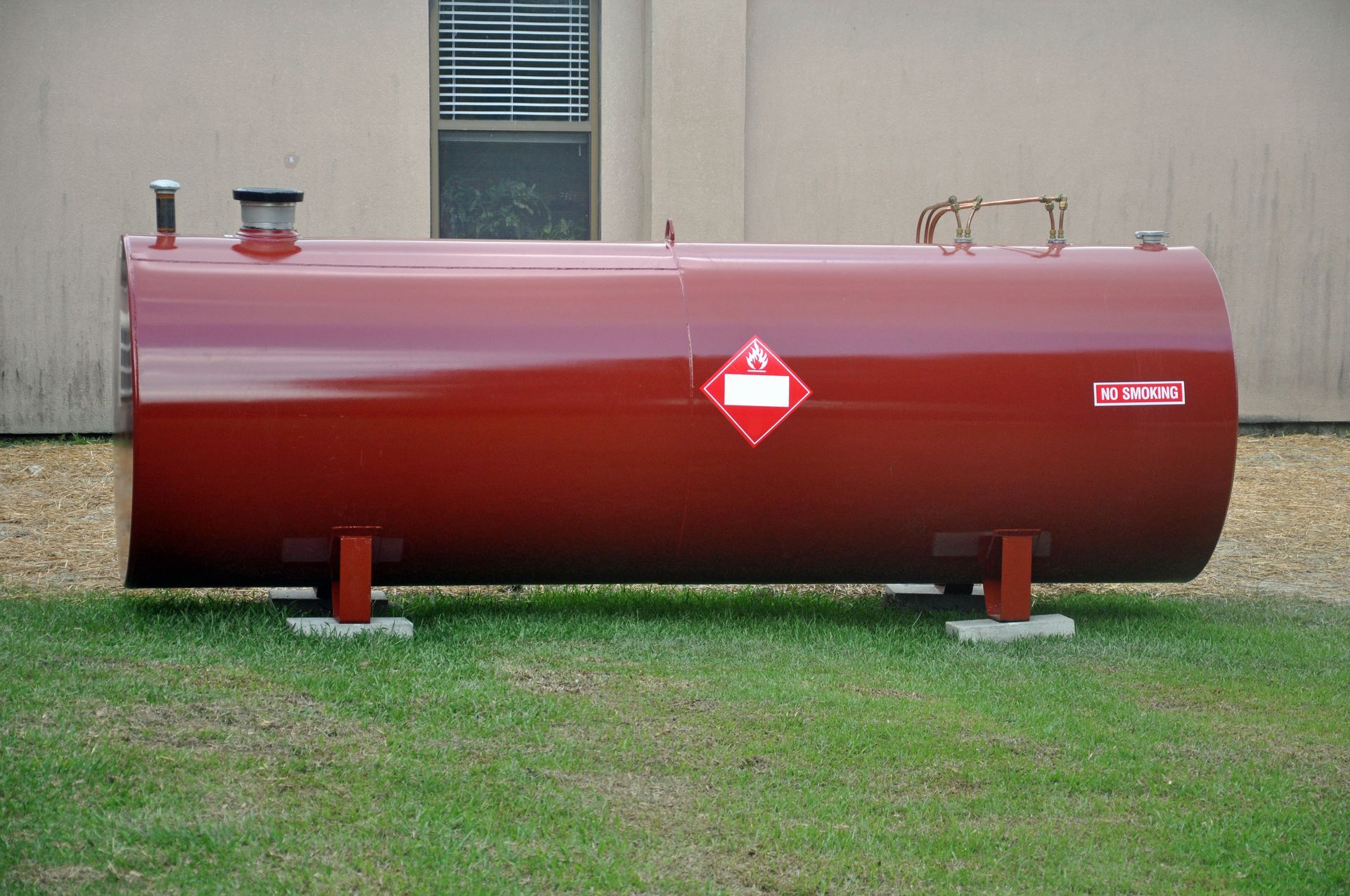
Above-ground units are a popular choice because they are easier to install and inspect. Located in basements or outside on a sturdy base, these models allow for straightforward repair. While they avoid soil corrosion, they remain susceptible to severe weather. To protect these systems, homeowners can easily install simple shelters or protective sheds to shield them effectively from the harshest outdoor elements.
Assessing Below-Ground Oil Tanks
Below-ground units are preferred for aesthetic reasons since they stay hidden. According to Current Environmental, the average life expectancy of an underground oil tank is 10-20 years. Special considerations are crucial to prolonging their usefulness before an oil tank removal becomes necessary.
Securing Double-Walled Oil Tanks
Double-walled units provide an extra layer of security against leaks. This design includes an outer shell serving as backup containment. Though more expensive upfront, they offer peace of mind and lower cleanup costs.
Comparing Fiberglass and Steel Tanks
The choice between fiberglass and steel depends on budget and environment. Fiberglass models are highly corrosion-resistant in moist environments. Steel models are favored for their strength, though they require frequent maintenance.
Estimating the Typical Lifespan of Different Types
The lifespan of these units varies significantly based on their design and the materials used in their construction. Models installed above the ground generally offer greater longevity, whereas those buried beneath the surface have a notably shorter life expectancy, making it essential to monitor their overall condition closely so you know exactly when to schedule an oil tank removal.
Analyzing Environmental Conditions
Environmental conditions play a critical role in determining longevity. Soil moisture hastens the corrosion of underground models, while above-ground versions need shielding. Installing weather-resistant features mitigates these impacts.
Ensuring Quality of Installation
Longevity is strongly influenced by the quality of installation. Hiring certified professionals ensures proper procedures are followed. A level, stable setup situated away from hazards prevents premature failure.
Maintaining Routine Practices
Routine maintenance is essential for extending life. Regular inspections allow homeowners to address small issues before they become major problems. Verifying seals and flushing the system periodically prevents internal damage.
Choosing the Material of Construction
Construction material significantly affects durability. Steel models are sturdy but require protective coatings to combat corrosion. Fiberglass options offer superior resistance in damp environments. Double-walled models provide an extra layer of defense against leaks, resulting in a potentially longer life and greater peace of mind for the homeowner.
Monitoring Frequency of Use
Frequency of use impacts overall condition. Frequently refilled units are less susceptible to sludge buildup that corrodes the interior. Regular cycling helps maintain condition and prevent unexpected issues.
Spotting Visible Rust and Corrosion
Visible rust and corrosion clearly indicate a unit may need replacement. Exposure to moisture causes the exterior to weaken over time. If rust compromises the unit, an oil tank removal becomes necessary to protect the property.
Detecting Unusual Odors Around the Tank
The presence of unusual odors is another sign that replacement is approaching. Persistent smells indicate a leak or improperly sealed connections. Prompt action and comprehensive inspections avert costly environmental cleanups.
Identifying Frequent Oil Leaks
Frequent leaks are a serious sign that equipment is no longer serviceable. Caused by degraded seals or cracks, leaks lead to extensive fuel loss. When leaks occur frequently, a complete oil tank removal is often the safest choice to avoid extensive site remediation.
Recognizing Inefficient Heating
Inefficient heating could signal internal problems. While routine tank cleaning might resolve minor inefficiencies, persistent heating issues often point to the need for total replacement. Ensuring your heating system operates effectively promotes comfort and maintains overall efficiency throughout the coldest winter months.
Tracking the Age of the Tank
Age is a critical factor when considering replacement. Aging units become prone to a variety of structural issues and sudden collapses. Regularly tracking the age prevents unforeseen problems and aligns with safety practices.
Implementing a Regular Inspection Routine
A consistent inspection routine is fundamental for prolonging equipment life. Scheduling annual checks helps identify minor deformations before they escalate. Professionals handle a thorough environmental site assessment to ensure proactive management.
Using Quality Fuel
Fuel quality has a direct impact on efficacy. Using high-quality fuel reduces sludge buildup that corrodes interiors from the inside out. Implementing an effective contamination control strategy fosters optimal performance.
Ensuring Proper Ventilation
Proper ventilation is crucial for preventing problematic pressure build-up. Adequate airflow prevents the accumulation of fumes and reduces explosion risks. Regularly checking vent pipes prevents blockages that lead to dangerous pressure scenarios.
Protecting Tanks From External Elements
Outdoor units require protection from snow, rain, wind, and sunlight. Weather-proofing measures like UV-resistant coatings mitigate environmental wear. Investing in protective measures prevents rust and corrosion, supporting a longer functional lifespan.
Scheduling Professional Maintenance
Engaging professional maintenance services ensures smooth operations. Certified technicians easily identify potential issues during routine checks. Whether you need a simple cleaning or a complex tank installation, utilizing expert services adds a layer of proactive care. A skilled technician provides expert advice tailored to specific models, ensuring strict adherence to local safety regulations.
Understanding Local Regulations
Adhering to local regulations is crucial to ensure environmental compliance. Requirements may include specific installation guidelines and maintenance mandates. Failing to meet these standards can result in fines, mandatory repairs, or a costly oil tank removal if ignored entirely.
Keeping Required Documentation
Maintaining clear documentation is an integral aspect of property management. Proper records include installation receipts, maintenance logs, and compliance certificates. Meticulous documentation expedites claims processes and simplifies coordination with authorities. Furthermore, providing comprehensive documentation of maintenance, inspections, and upgrades during the selling process reassures buyers and enhances overall property appeal on the real estate market.
Reviewing Insurance Policy Implications
Insurance policies often require adherence to specific conditions for coverage. Policies necessitate routine maintenance and preventive measures to mitigate environmental harm. Understanding the provisions of your home insurance policy is prudent to ensure adequate protection.
Mitigating Liability Issues
Ownership constitutes responsibility for preventing liability issues arising from spills. Environmental damage can lead to substantial fines and legal action. Remaining vigilant and monitoring equipment diminishes liability risks significantly.
Comparing Replacement With Repair Costs
Deciding to replace or repair entails a careful consideration of cost implications. Repairs might offer immediate savings, but continuously repairing an aging unit proves costlier over time. While the process of an oil tank removal and a new installation might seem daunting, it guarantees reliability.
Evaluating Long-Term Savings
Assessing long-term savings encompasses energy efficiency and maintenance. Newer models offer technological advancements that reduce energy consumption. Higher upfront investments or paying for a proactive oil tank removal can save money down the line.
Finding the Right Contractor
Selecting the right contractor ensures a successful upgrade. Valuable research includes verifying licenses, certifications, and insurance credentials. Reputable industry professionals guarantee adherence to local regulations and provide comprehensive after-sales support.
Maximizing Impact on Home Resale Value
System reliability can significantly influence a home's resale value. New units are attractive features for prospective buyers, signaling a move-in-ready property. Upgrading your heating system yields a favorable return on investment.
Maintaining a residential heating unit requires diligence, regular inspections, and an understanding of its typical lifespan. By staying proactive and addressing any signs of wear immediately, homeowners can prevent costly environmental hazards and ensure efficient heating year-round. Partnering with experienced professionals guarantees that the process is handled safely and legally. At Elite Environmental & Tank Testing Services, we dedicate our efforts to helping you maintain a secure home environment – we can expertly guide you through a seamless oil tank removal and provide top-tier support for all your property needs. Contact us today for reliable solutions.

Share On: