Oil Tank Services That Help You Stay Ahead of Potential Problems
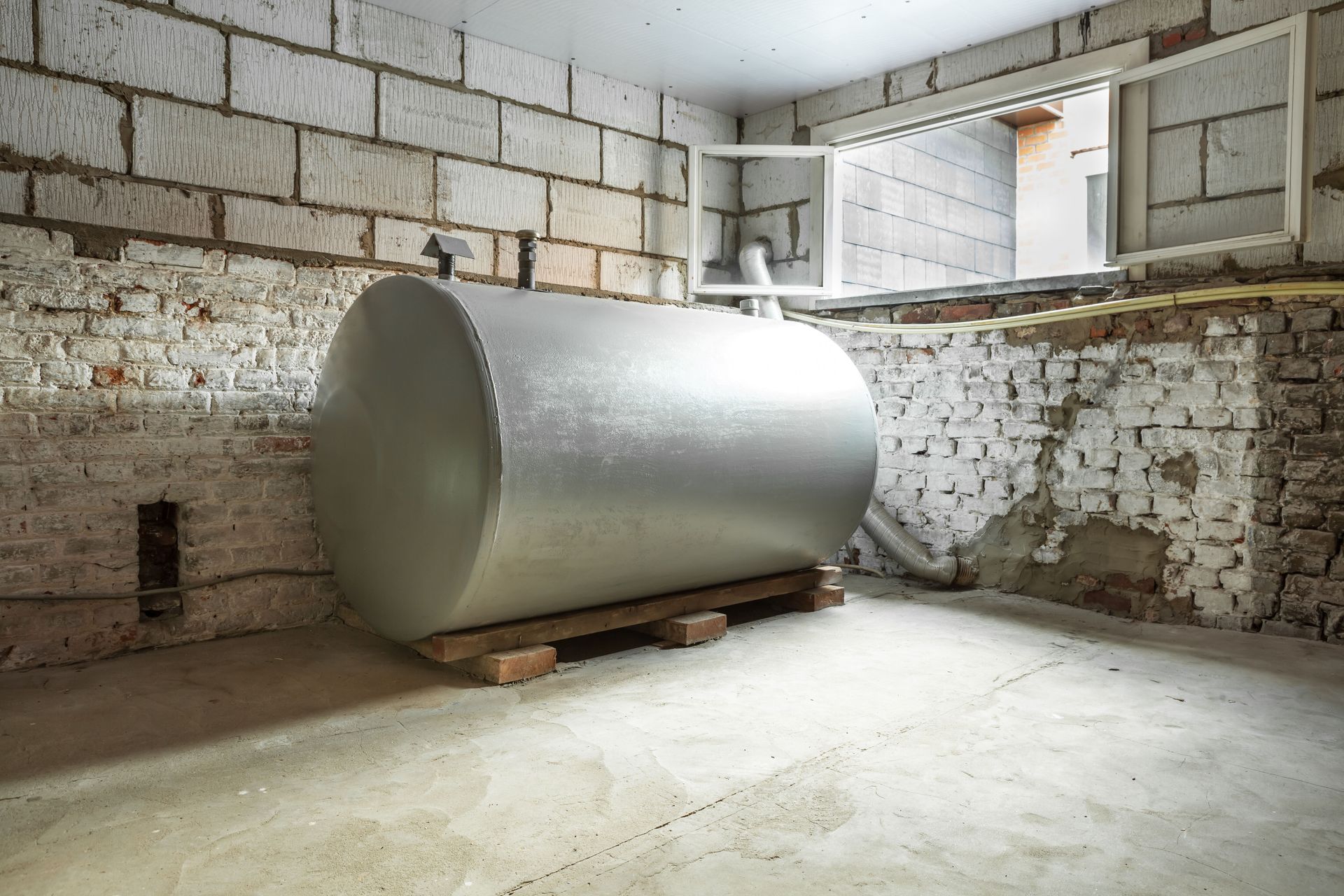
Oil storage tanks are essential for properties that rely on heating oil or other stored petroleum products. Although these systems are built to contain fuel, their condition can deteriorate because of corrosion, aging materials, moisture, and everyday wear. Problems often develop gradually, making them difficult to recognize before a leak or equipment failure occurs. Taking a proactive approach helps property owners identify concerns while there is still time to respond. Professional oil tank services offer inspections, testing, maintenance guidance, and evaluations that support informed decisions. Understanding how these services work can help homeowners and commercial property owners protect their equipment, plan future expenses, and reduce the risk of unexpected disruptions.
Identifying Warning Signs Through Routine Inspections
Routine inspections help identify changes that may affect a tank's ability to store fuel safely. Rust, dents, weakened supports, and deteriorating fittings can indicate developing problems. Inspectors examine accessible surfaces, connections, valves, and surrounding areas for evidence of damage or unusual conditions. They may also look for staining, moisture accumulation, or petroleum odors that warrant further investigation. Because some concerns are not visible from outside the tank, an inspection may lead to recommendations for additional testing. Evaluating the equipment periodically creates opportunities to address smaller issues before they become more difficult to manage.
Scheduling oil tank services regularly also helps establish a clearer picture of how equipment changes over time. An inspector can compare current findings with earlier reports, explain potential concerns, and recommend practical next steps. This is especially useful for older tanks or properties with incomplete maintenance histories. Owners can use the results to prioritize repairs, arrange follow-up evaluations, or begin planning for eventual replacement. Rather than making decisions based only on a tank's appearance, they gain information about its condition and the factors that could affect continued use.
Detecting Concealed Problems Through Leak Testing
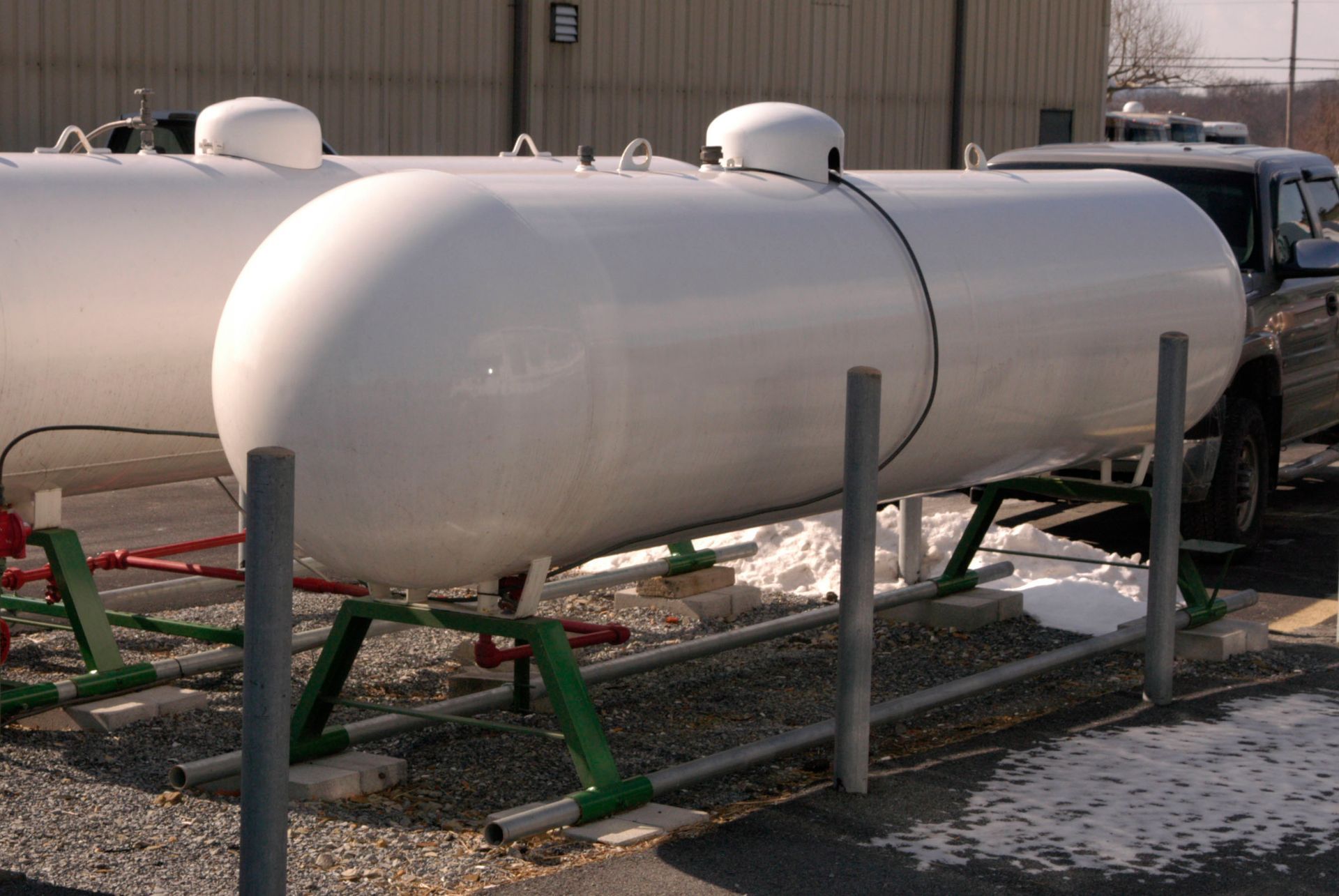
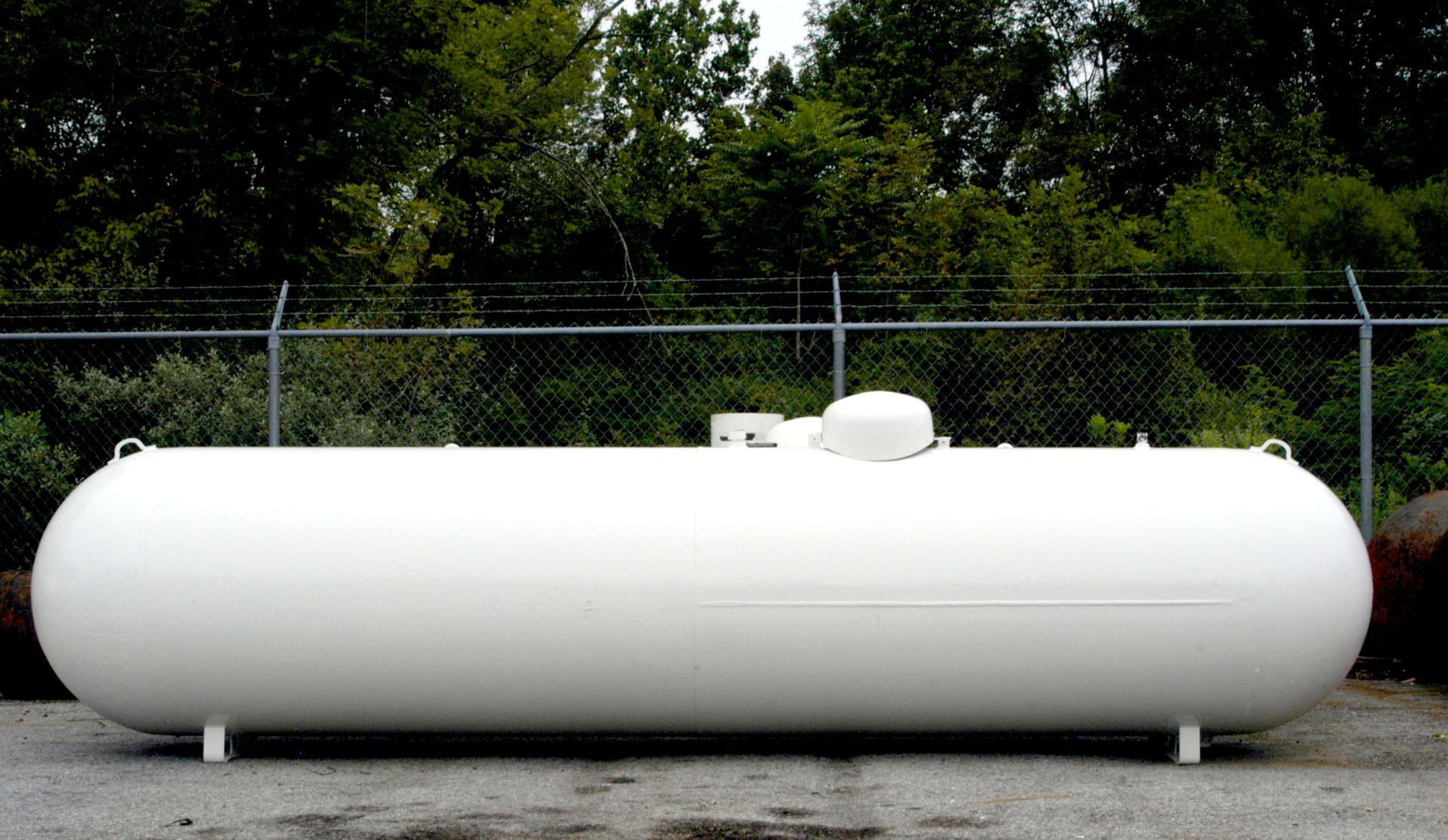
Leaks are a significant concern because escaping petroleum can affect soil, groundwater, and nearby structures. Underground tanks can be particularly challenging to evaluate because their exterior surfaces are hidden beneath the ground. Aboveground tanks may also develop small leaks around seams, fittings, or piping connections. Professional testing helps investigate whether a tank or its associated components may be losing fuel. The methods used depend on the system's design, accessibility, and condition. Technicians can explain which tests are appropriate and what the results indicate about the possibility of a release.
According to the U.S. Environmental Protection Agency (EPA), more than 581,000 underground storage tank (UST) releases had been documented by September 2025. This history demonstrates why suspected leaks deserve prompt attention. Professional oil tank services can help owners investigate warning signs instead of waiting for visible damage. Early detection may allow a release to be addressed before contamination spreads further. If testing identifies a concern, additional evaluation may be needed to determine its cause and the appropriate response. Keeping records of testing results can also support future maintenance decisions and provide useful information during property transactions.
Assessing Structural Concerns Through Tank Evaluations
A tank's structural integrity affects its ability to contain fuel reliably. Steel tanks may corrode when exposed to moisture, while other materials can weaken because of age, installation conditions, or physical damage. A condition evaluation considers the tank's construction, location, age, and available maintenance history. Professionals may examine accessible components and recommend additional assessment when signs of deterioration appear. They can also identify conditions around the installation that deserve attention, such as poor drainage or inadequate support. These findings help distinguish manageable maintenance concerns from issues that could affect the tank's continued suitability.
Evaluations are particularly valuable when a property owner does not know when the tank was installed or whether it has undergone previous repairs. Professional oil tank services can provide findings that inform decisions about monitoring, maintenance, or replacement. Although no assessment can guarantee that a tank will never fail, current information can reduce uncertainty. Owners can compare recommendations with their budgets and anticipated property needs. Planning based on documented conditions is generally more manageable than facing an urgent decision after a failure interrupts heating or other operations.
Reducing Equipment Failures Through Preventive Maintenance
An oil storage system includes more than the tank itself. Pipes, valves, gauges, fittings, and supports all contribute to safe operation. Loose connections, damaged components, or deteriorating seals may increase the likelihood of leaks and performance problems. Maintenance activities can involve examining these parts, identifying necessary repairs, and checking for conditions that accelerate wear. Professionals may recommend correcting drainage issues, improving access to equipment, or addressing visible corrosion. The appropriate work depends on the tank's design and the condition of its associated components.
Preventive maintenance is most useful when it follows a consistent schedule and responds to actual findings. Property owners should keep inspection reports, repair invoices, testing results, and notes about recurring concerns. Organized records make it easier for technicians to understand the system's history and identify changes that need attention. Owners should also avoid attempting repairs on leaking or damaged fuel tanks without qualified assistance. Addressing problems through appropriate professional channels helps reduce unnecessary risks. A consistent maintenance approach can make equipment needs more predictable and support better decisions about future improvements.
Investigating Environmental Concerns Through Site Assessments
When petroleum escapes from a storage tank, it may move beyond the immediate equipment area. Depending on soil conditions, the volume released, and the property's characteristics, contamination can affect surrounding soil or groundwater. Possible warning signs include fuel odors, stained ground, or unexplained changes near the tank. However, the absence of visible evidence does not necessarily rule out a release. Environmental assessments can help investigate suspected contamination and determine whether sampling or additional testing is appropriate. Laboratory analysis may be necessary to understand the presence and extent of petroleum-related impacts.
Professional oil tank services can help property owners obtain information about environmental conditions associated with their storage systems. An assessment may involve reviewing available records, examining the site, and collecting samples when warranted. Results can inform decisions about further investigation, cleanup, or other corrective measures. Requirements vary depending on the location, type of tank, and circumstances of a release. Prompt evaluation is important because delaying action can allow certain problems to become more extensive. Documentation from these assessments may also be useful when selling a property, planning construction, or evaluating an older installation.
Preparing for Future Needs Through Replacement Planning
Even well-maintained tanks eventually reach a point when replacement deserves consideration. Extensive corrosion, recurring leaks, structural damage, or increasing repair needs may indicate that continued use is no longer practical. Professionals can evaluate the tank's condition and discuss options based on its location, accessibility, and intended use. Property owners may also need to consider fuel delivery access, existing piping, available installation space, and applicable requirements. Understanding these factors early allows more time to compare options and establish a realistic budget rather than making rushed decisions after equipment fails.
Replacement planning may be more complicated for underground tanks because excavation and potential environmental concerns can affect the work. Aboveground installations have their own considerations, including placement, support, and access. A professional evaluation can help clarify which steps may be necessary and whether additional inspections or testing should occur before work begins. Keeping documentation of the old tank's condition and the replacement process can be useful for future owners and service providers. Thoughtful planning helps coordinate the project with other property needs while minimizing avoidable interruptions.
Staying ahead of oil tank problems involves monitoring equipment condition, investigating potential leaks, and planning for maintenance or replacement before emergencies arise. Inspections, testing, structural evaluations, and environmental assessments provide information that helps property owners make informed decisions. Keeping accurate records and responding promptly to warning signs can also reduce uncertainty about future needs. Preventive oil tank services support a more organized approach to managing storage equipment and protecting surrounding property. For assistance evaluating your tank or discussing testing and other available solutions, contact Elite Environmental & Tank Testing Services today.

Share On: